Common Causes of Medical Malpractice Suits in Jacksonville, FL
If you or a loved one in Jacksonville, FL has had a bad medical experience, it’s important to understand what often leads to a medical malpractice lawsuit. Knowing the most common causes of these cases can help you recognize when medical harm may be the result of negligence and when you may have legal options.
What Is Medical Malpractice?
Medical malpractice occurs when a doctor, nurse, or other healthcare provider fails to provide the standard of care that a reasonable professional would offer, and that failure results in harm. When this occurs, patients may file a malpractice lawsuit seeking compensation for injuries, long-term complications, medical bills, lost income, or emotional pain.
Across the United States, many medical malpractice suits arise from preventable mistakes. Below are the most common causes of medical malpractice and examples of how they occur.
Common Causes of Medical Malpractice & Examples
1. Misdiagnosis or Delayed Diagnosis
Misdiagnosis or diagnosing a condition incorrectly is one of the top reasons for medical malpractice suits. Delayed diagnosis, where the correct condition is discovered too late, is also a major issue.
Examples include:
- Diagnosing a heart attack as indigestion
- Missing signs of cancer until it reaches a later, more dangerous stage
- Failing to order proper tests despite clear symptoms
Diagnostic errors can delay proper treatment and cause serious, sometimes permanent harm.
2. Surgical Errors
Surgery is complex, and mistakes can happen when medical professionals fail to follow proper procedures. Surgical errors are one of the most frequent reasons people file a medical lawsuit.
Examples include:
- Operating on the wrong body part
- Leaving surgical instruments or sponges inside a patient
- Causing unintentional damage to organs or tissues
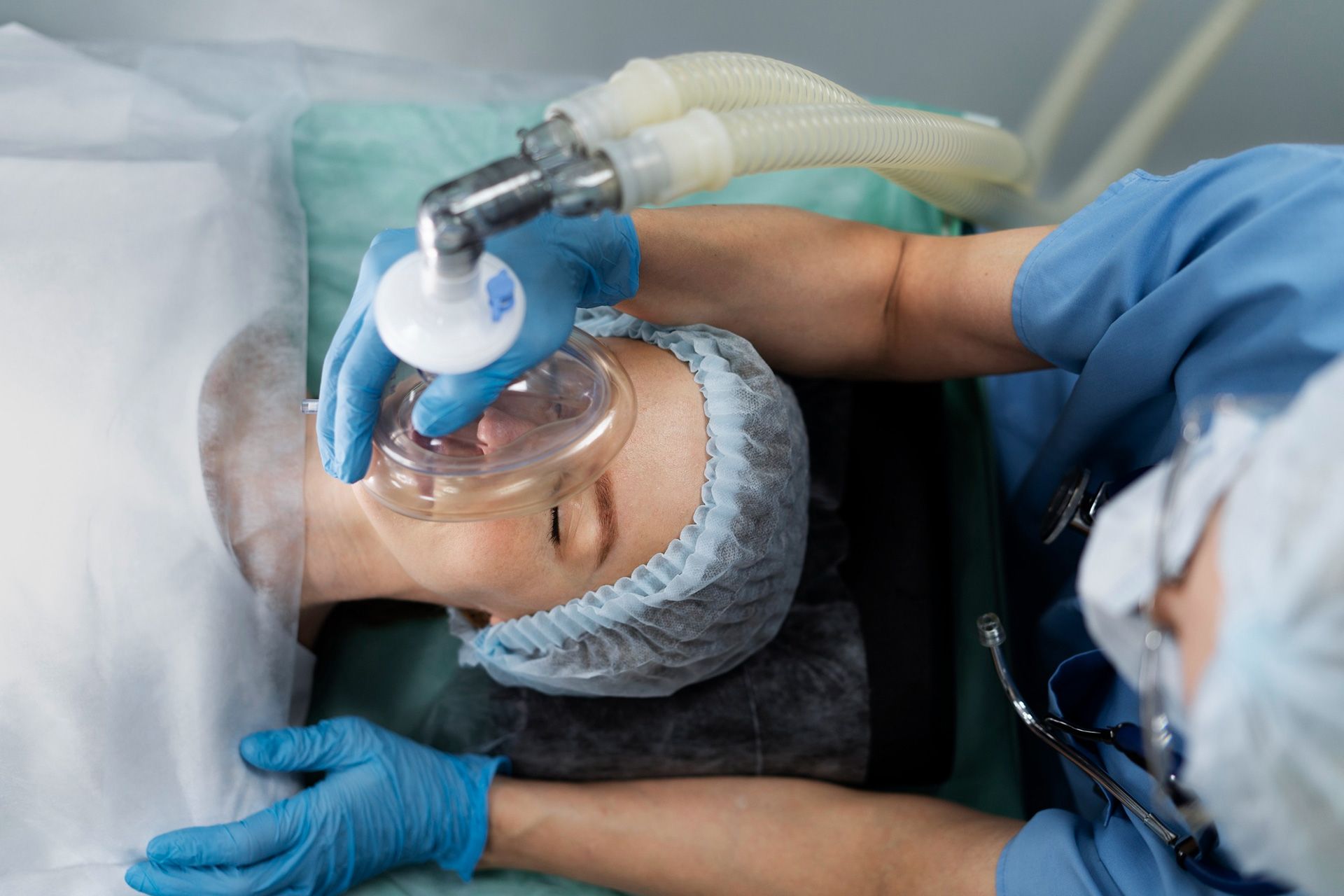
- Making anesthesia mistakes, such as wrong dosage or poor monitoring
Surgical errors often require additional corrective procedures and may cause long-term health issues.
3. Medication and Prescription Mistakes
Medication errors are also common malpractice examples. These can occur at the doctor’s office, the pharmacy, or during hospital care.
Examples include:
- Giving the wrong medication
- Prescribing the wrong dosage
- Ignoring a patient’s allergies
- Missing dangerous drug interactions
- Administering medication improperly
These mistakes can lead to severe reactions, long-term health problems, or life-threatening emergencies.
4. Birth Injuries (Pregnancy, Labor, Delivery Errors)
Mistakes before or during childbirth can result in serious injuries to both mother and child.
Examples include:
- Failing to monitor fetal or maternal distress
- Delaying a necessary C-section
- Mishandling birth tools like forceps or vacuum extractors
- Not responding quickly to complications during labor
Birth injuries can cause lifelong disabilities and often result in significant malpractice lawsuits.
5. Failure to Treat or Poor Follow-Up
Sometimes a doctor diagnoses a condition correctly but fails to provide proper treatment or follow-up care. This can be just as harmful as a misdiagnosis.
Examples include:
- Releasing a patient from the hospital too early
- Not giving clear after-care instructions
- Failing to schedule or carry out needed follow-up appointments
- Not ordering additional testing when symptoms worsen
When treatment is incomplete or inconsistent, a patient’s condition may worsen significantly.
6. Communication, Consent, and Documentation Errors
Not all malpractice cases stem from hands-on medical mistakes. Sometimes the issue is poor communication, incomplete documentation, or a lack of proper patient consent.
Examples include:
- Failing to explain the risks of a procedure
- Not discussing alternative treatments
- Not getting written consent before surgery
- Losing or misrecording important medical information
- Communication breakdowns between nurses, doctors, or departments
These errors can lead to improper treatment, misunderstandings, and preventable harm.
Why These Issues Matter in Jacksonville, FL
While these mistakes happen across the country, they are especially important for patients in Jacksonville, FL, because:
- Many local hospitals and clinics serve large populations, increasing the risk of overworked or understaffed medical teams.
- Florida frequently sees high numbers of claims involving surgical errors, birth injuries, and delayed diagnoses.
- Patients often face long-term consequences from medical mistakes, which can affect work, family life, and financial stability.
Understanding the common causes of medical malpractice empowers patients to take action when care falls short.
Real-Life Malpractice Examples (Simplified Scenarios)
To make the concept easier to understand, here are a few hypothetical examples:
- Misdiagnosis:
A patient with chest pain is told it’s only heartburn. Later, it’s revealed they were having a heart attack. The delay causes severe heart damage.
- Surgical Error:
A surgical sponge is left inside a patient, causing infection and requiring another surgery.
- Birth Injury:
A mother shows signs of fetal distress, but staff fail to act in time, leading to long-term injuries for the newborn.
- Medication Mistake:
A doctor prescribes a medication without checking the patient’s other prescriptions, leading to a dangerous drug interaction.
Each of these situations could potentially lead to a malpractice lawsuit.
Why Medical Malpractice Happens
Medical errors can occur for many reasons, including:
- Overworked or understaffed hospitals
- Poor communication between medical providers
- Inadequate monitoring or follow-up procedures
- Failure to follow standard safety protocols
- Lack of proper documentation
- Rushed decision-making due to time pressure
These underlying problems can increase the chances of serious mistakes that harm patients.
Medical mistakes can change lives forever. Understanding these common causes helps patients know when something went wrong and when legal action may be needed.
If you believe you’ve been harmed by medical negligence, contact Chakour Law today.
FAQs About Medical Malpractice Suits
What are the most common causes of medical malpractice suits?
The most common causes include misdiagnosis, surgical errors, medication mistakes, birth injuries, failure to treat, and communication or consent issues.
Do all medical mistakes count as malpractice?
No. A mistake becomes malpractice only if it results from negligence and causes harm.
Can I file a claim if my diagnosis was delayed?
Yes, if the delay caused your condition to worsen or prevented timely treatment.
What if the hospital did not explain the risks of a treatment?
Lack of informed consent can be grounds for a malpractice lawsuit.
Are medication errors considered medical malpractice?
Yes. Incorrect prescriptions, wrong dosages, and related mistakes are common malpractice examples.
Disclaimer: The information on this website and blog is for general informational purposes only and is not professional advice. We make no guarantees of accuracy or completeness. We disclaim all liability for errors, omissions, or reliance on this content. Always consult a qualified professional for specific guidance.
RECENT POSTS